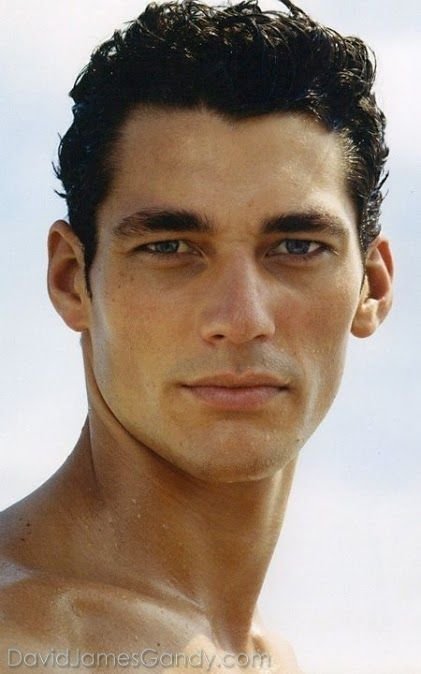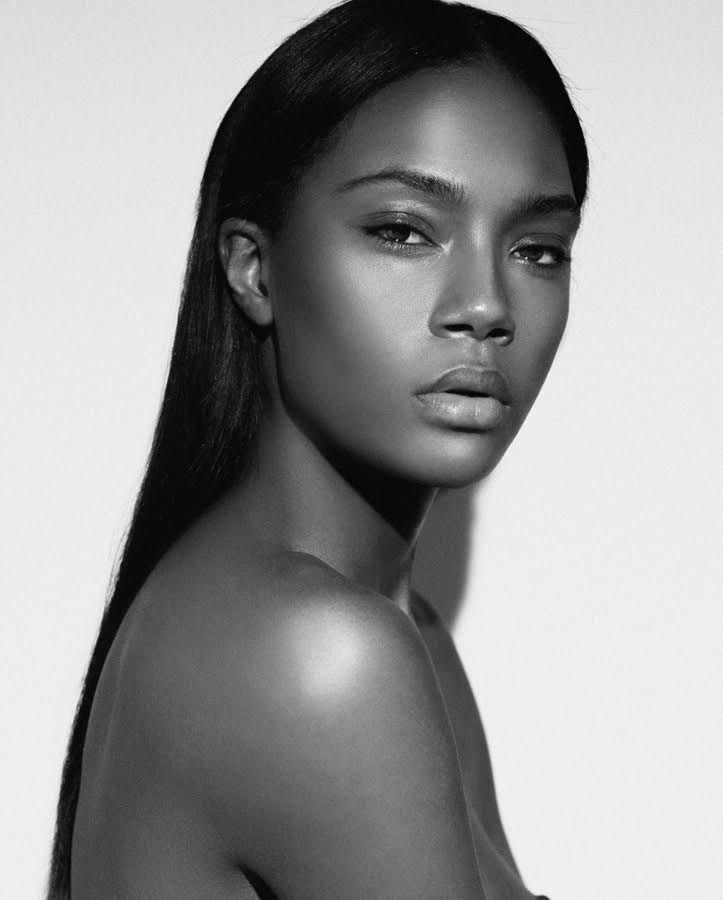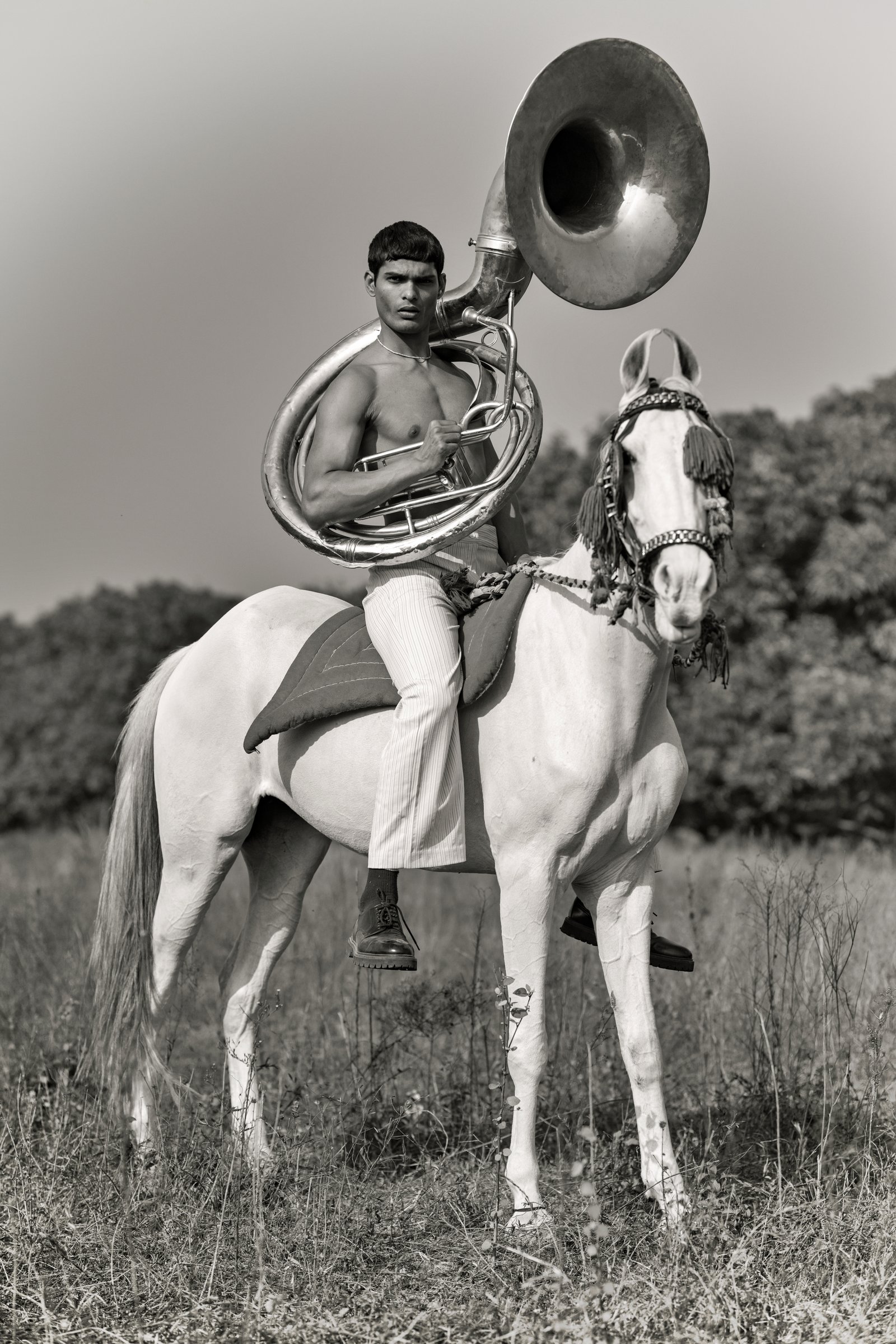
By Gaurav Vashisth (GV The Lensman)
“I want to be a model.”
I hear this at least once a week. Usually from someone tall, good-looking, and confident they’ve got
what it takes. When I ask why, the answer is almost always the same:
“I look good in photos. People say I should model. It seems fun.”
That’s when I know they have absolutely no idea what they’re signing up for.
Let me tell you what it actually takes to be a fashion model—and more importantly, what separates
a working model from a supermodel. Because trust me, there’s a universe of difference.
Part 1: The Tangibles – What You Can Measure
Let’s start with the obvious stuff. The things casting directors check before they even look at your
personality.
- Height (The Non-Negotiable)
For High Fashion:
- Female models: 175-180 cm (5’9″ – 5’11”)
- Male models: 185-193 cm (6’1″ – 6’4″)
Notice I said “high fashion.” Commercial modeling has more flexibility, but if you want to walk
Paris, Milan, or New York Fashion Week, these are your numbers.
Why so specific? Because clothes are designed on mannequins of standard sizes. Runway shows
need uniformity. A designer’s collection looks cohesive when all models are similar heights.
Reality check: If you’re 165 cm and dream of haute couture runways, you’re fighting an uphill
battle. But commercial work, editorial for smaller markets, and digital content? Still wide open.
- Body Measurements (The Industry Standard)
Female models (high fashion):
- Bust: 81-86 cm (32-34 inches)
- Waist: 58-63 cm (23-25 inches)
- Hips: 86-91 cm (34-36 inches)
Male models (high fashion): - Chest: 94-102 cm (37-40 inches)
- Waist: 76-81 cm (30-32 inches)
- Inseam: 81-86 cm (32-34 inches)
Yes, these are narrow ranges. Yes, it’s restrictive. Yes, there’s a growing body-positive movement
challenging these standards. But if we’re being honest about what the current high-fashion industry
demands, these are the numbers.
Important note: Commercial modelling, plus-size modelling, and editorial work for diverse brands
have much wider ranges. The industry IS changing—just not as fast as it should.
- Age (The Cruel Timeline)
Female models:
- Start: 14-18 years (yes, disturbingly young)
- Peak: 18-25 years
- Longevity possible: 25-35+ if you’ve built strong reputation
Male models: - Start: 16-22 years
- Peak: 20-30 years
- Longevity possible: 30-40+ (men get more flexibility)
This is one of the industry’s darkest truths. Fashion favours youth, sometimes disturbingly so. Many
top agencies scout girls who haven’t finished high school.
- Skin, Hair, and Features (The “Look”)
Here’s where it gets subjective, but there are patterns:
Skin:
- Clear complexion (though this is often retouched)
- Even skin tone (though diversity is finally being embraced)
- Good skin health matters more than specific tone
Hair: - Healthy and manageable
- Ability to withstand constant styling
- Willingness to cut/color as needed
Facial Features: - High cheekbones (catches light well)
- Well-defined jawline
- Proportional features
- “Photogenic” bone structure (yes, it’s a real thing)
- Expressive eyes
But here’s the twist: sometimes “interesting” beats “perfect.”
Kate Moss wasn’t conventionally beautiful by 1990s standards—she was 5’7″, skinny, and had a gap
in her teeth. She became one of the biggest supermodels ever because her face was interesting.
- Physical Fitness and Health
You need:
- Stamina – 12-hour shoots, back-to-back castings, walking in 6-inch heels
- Core strength – Holding poses burns muscles you didn’t know you had
- Flexibility – Contorting into impossible positions for the perfect shot
- Discipline – Maintaining measurements without crash dieting
Top models work out regularly—not to be skinny, but to be strong. A weak body can’t handle
fashion week schedules.
Part 2: The Intangibles – What You Can’t Measure (But Everyone Sees)
This is where most aspiring models fail. They nail the measurements but bomb the intangibles.
- The X-Factor (Presence)
Walk into any room with 50 models. Within seconds, 2-3 will command your attention without
saying a word.
That’s presence.
It’s not arrogance. It’s not loudness. It’s an energy—a magnetic quality that makes photographers
want to shoot you, designers want to dress you, and audiences want to watch you.
You either have it or you don’t.
And here’s the brutal truth: you can’t fake it. You can develop confidence, polish your walk, perfect
your poses—but raw presence is innate.
Naomi Campbell has it. Gigi Hadid has it. Even when they’re tired, underdressed, or having a bad
day, they own every space they enter. - Camera Awareness (Knowing Your Angles)
Some people look stunning in person but photograph poorly. Others are average in real life but
explode on camera.
The best models know:
- Which angles flatter their face
- How light hits their features
- How to convey emotion with minimal expression
- How to “find the light” instinctively
- How their body creates lines and shapes
This is why test shoots are crucial. You learn how you translate to camera—and if you don’t
translate well, no amount of beauty will save you.
- Work Ethic and Professionalism
The modelling industry is 10% glamour and 90% grunt work.
A professional model:
- Shows up on time (30 minutes early is on time)
- Comes prepared (portfolio, comp card, specific outfits if requested)
- Takes direction without ego
- Maintains energy through 12+ hour days
- Doesn’t complain about uncomfortable clothes, bad weather, or weird poses
- Treats everyone—from the photographer to the assistant—with respect
An unprofessional model: - Shows up late with excuses
- Needs constant direction
- Complains about everything
- Treats “lesser” crew members poorly
- Posts about jobs before getting clearance
- Burns bridges by being difficult
Guess which one gets rebooked?
I’ve seen gorgeous models with perfect measurements blacklisted because they were nightmares to
work with. I’ve also seen “decent” models build incredible careers through reliability and
professionalism.
- Mental Toughness (The Thickest Skin Imaginable)
Modelling will destroy you if you’re not mentally strong.
You will face:
- Rejection 95% of the time (“Too tall, too short, too thin, too curvy, wrong look, wrong
energy”) - Body criticism in front of strangers
- Constant comparison to other models
- Clients who treat you like a clothes hanger, not a person
- Financial instability (feast or famine income)
- Travel exhaustion and loneliness
- Ageism (being told you’re “too old” at 24)
The models who last are the ones who can hear “no” 100 times and still walk into the 101st casting
with confidence.
- Adaptability and Versatility
Fashion is constantly evolving. Yesterday’s trend is today’s joke.
Top models can:
- Switch between high fashion, commercial, editorial, and runway
- Adjust their energy to match the brand (edgy for Balenciaga, soft for Dior)
- Work with difficult photographers and still deliver
- Pivot when a shoot goes sideways
- Travel to unfamiliar countries and adapt quickly
Rigid models fail. If you can only do one look, you’ll book one campaign and then disappear.
- Emotional Intelligence (Reading the Room)
The best models are emotional chameleons.
They can sense:
- When a photographer needs them to take initiative
- When a client wants silence and professionalism
- When a designer is stressed and needs reassurance
- When to push creative boundaries
- When to shut up and follow instructions
This isn’t taught in any modelling school. It’s learned through experience and observation.
- Business Acumen (Understanding the Game)
Naive models get exploited. Smart models build empires.
You need to understand:
- Contract language (exclusivity, usage rights, buyouts)
- Commission structures (what your agency actually takes)
- Tax implications (especially for international work)
- Social media strategy (building your brand without overexposure)
- Long-term career planning (modelling has a short shelf life)
The models who transition into acting, business, or other careers are the ones who always knew
modelling was a launchpad, not a destination.
Part 3: What It Takes to Be a SUPERMODEL
Now we get to the real question: What separates a working model from a supermodel?
Because let’s be clear—thousands of people model professionally. Maybe 10-20 in any generation
become supermodels.
The Supermodel Formula (1990s Definition)
The original supermodels—Naomi Campbell, Cindy Crawford, Linda Evangelista, Christy
Turlington, Kate Moss—had something beyond measurements:
- Iconic Face (Instantly Recognizable)
You could see them from 100 feet away and know exactly who they were. Their faces were as
famous as movie stars’. - Cross-Industry Appeal
They weren’t just fashion models—they were:
- On magazine covers (Vogue, Harper’s Bazaar, Elle)
- In major ad campaigns (Chanel, Versace, Calvin Klein)
- Walking top runway shows (Paris, Milan, New York)
- Appearing in music videos
- Dating celebrities
- Quoted in mainstream media
They transcended fashion.
- Personality and Media Presence
Linda Evangelista’s famous quote: “We don’t wake up for less than $10,000 a day.”
Arrogant? Maybe. But memorable? Absolutely.
These women had voices. They did interviews. They had opinions. They weren’t just pretty faces—
they were personalities. - Longevity (10+ Year Careers at the Top)
Supermodels weren’t one-season wonders. They dominated for decades. - Cultural Impact
They changed how the world saw beauty, fashion, and modeling itself. When Naomi Campbell
walked a runway, it was an event. When Kate Moss appeared in a campaign, it defined that era’s
aesthetic.
Why We Don’t See Supermodels Anymore
Here’s the uncomfortable truth: Supermodels basically don’t exist in the traditional sense
anymore.
Sure, we have successful models—Gigi Hadid, Bella Hadid, Kendall Jenner. But are they
supermodels the way Naomi and Cindy were?
Not really. Here’s why: - Social Media Killed the Mystique
In the ’90s, supermodels were rare. You saw them in magazines, on runways, in major campaigns.
They were untouchable.
Now? Every model has Instagram. You see them:
- Eating breakfast
- In pajamas
- With no makeup
- Having bad days
- Posting memes
There’s no mystique left. Accessibility killed the aura.
- Influencers Fragmented the Market
Brands used to hire supermodels because they were the only way to reach mass audiences.
Now? Brands hire micro-influencers with 50,000 followers because they have better engagement
rates and cost 1/100th the price.
Why pay Gigi Hadid $500,000 when you can pay 50 influencers $10,000 each and reach more
people?
- Celebrity Models Took Over
Kendall Jenner is incredibly successful. But would she have become a top model without being a
Kardashian first? Doubtful.
Kaia Gerber (Cindy Crawford’s daughter), Lila Moss (Kate Moss’s daughter)—they’re talented, but
they also had built-in fame.
The industry now favours:
- Actors who model (not models who act)
- Musicians who do fashion (not models who look good)
- Social media stars who have existing audiences
Pure models—people discovered for their face and body alone—rarely break through anymore.
- Fast Fashion Killed Campaign Longevity
In the ’90s, a Chanel campaign ran for a year. One model became the face of the brand.
Now? Brands change campaigns every season. Sometimes every month. Models are disposable.
There’s no time to build the association between a model and a brand that creates iconic status. - Diversity (A Good Thing with an Unintended Consequence)
The push for diversity—which is absolutely necessary and overdue—means brands now hire:
- Models of different races
- Different body types
- Different ages
- Transgender models
- Models with disabilities
This is progress. But it also means no single model dominates. The spotlight is (rightfully) shared.
In the ’90s, five white women could monopolize the entire industry. That was wrong, but it also
concentrated fame.
Now, attention is distributed. Hundreds of models work constantly, but none achieve the singular
dominance of a supermodel.
- The TikTok Attention Span
People’s attention spans have collapsed. A model can go viral on TikTok for a week and then be
completely forgotten.
Sustained fame—the kind that creates supermodels—requires years of consistent visibility. Modern
media doesn’t allow for that.
Part 4: Commercial Success vs. Supermodel Status
Let’s distinguish between two very different career paths:
The Commercially Successful Model
What they do:
- Catalogs, e-commerce, advertising
- Regional campaigns
- Influencer marketing
- Brand ambassadorships
- Consistent, well-paid work
What they earn: - $50,000 – $500,000 per year (varies widely)
- Steady income with multiple clients
- Long-term contracts with brands
What they’re NOT: - Household names
- Fashion icons
- Trendsetters
Examples: Hundreds of models you’ve seen in ads but couldn’t name. They make great money,
have stable careers, and live comfortable lives.
This is actually the smarter path for most people.
The Aspiring Supermodel (Almost Always Fails)
What they chase: - High fashion editorial (often pays nothing)
- Top runway shows (pays poorly)
- Prestige over profit
- Fame over financial security
What they earn: - $0 – $30,000 per year (especially early career)
- Inconsistent income
- Living off “exposure”
What usually happens: - They age out before breaking through
- They burn through savings
- They get disillusioned and quit
- They wish they’d focused on commercial work
Only 1% of 1% ever achieve supermodel status.
The Hybrid Model (The Modern Reality)
Today’s most successful models do BOTH: - Walk high fashion shows (for prestige)
- Do commercial campaigns (for money)
- Build social media (for leverage)
- Create side businesses (for longevity)
Gigi Hadid walks Versace AND does Maybelline campaigns. She has high fashion credibility and
commercial income.
That’s the modern model: flexible, business-savvy, and realistic.
Part 5: The Brutal Truths Nobody Tells You
Before you dive into modeling, understand these realities:
- Most Models Are Broke
The Instagram feed shows luxury. The bank account shows reality.
- Portfolio costs: $500-$2,000
- Comp cards: $200-$500
- Travel for castings: Constant expense
- Agency commissions: 20-30%
- Taxes: Another 25-30%
A $1,000 job becomes $500 in your pocket. If you book 5 jobs a year, you’re making $2,500
annually.
- Your Career Will Likely Last 3-7 Years
Most models peak in their early 20s and are done by 25-28. Unless you transition into commercial
work or build a personal brand, modeling is a short-term gig. - You’ll Face Constant Body Scrutiny
Clients will discuss your body like you’re not in the room:
“Her hips are too wide.”
“Can we tape her breasts differently?”
“She needs to lose 2 inches off her waist.”
If that destroys you emotionally, modeling isn’t for you. - Exploitation Is Common
- Unpaid “test shoots” that go nowhere
- Agencies that charge hidden fees
- Clients who don’t pay on time (or at all)
- Sexual harassment with no HR department
- Pressure to attend parties/events as “networking”
Without proper representation and legal knowledge, you’ll get used.
- It’s Lonely
You’ll travel alone to foreign countries. Miss family events. Have no stable friend group because
you’re constantly moving. Watch your non-model friends build normal lives while you chase an
uncertain dream.
The glamour is real. So is the isolation.
Part 6: So… Should You Become a Model?
Here’s my honest advice:
Model if you:
- Meet the physical requirements naturally (don’t starve yourself to fit)
- Have genuine passion for fashion and creativity
- Are mentally tough and rejection-proof
- Understand it’s a business, not a fairytale
- Have a backup plan (education, skills, other career options)
- Want experience, travel, and creative expression—not just fame
Don’t model if you: - Are doing it only for Instagram fame
- Have fragile self-esteem
- Can’t handle rejection and criticism
- Expect to become rich and famous
- Don’t understand the business side
- Are being pushed by others rather than genuinely wanting it
The smartest approach?
Treat modelling as ONE skill in a broader creative portfolio. Model while: - Getting educated
- Building other skills (photography, styling, design, business)
- Creating content and building a brand
- Networking in the industry
- Planning your next career move
Part 7: The Supermodel Void—Is It Good or Bad?
The death of the traditional supermodel is both loss and gain.
What we lost: - Iconic figures who defined eras
- The mystique and aspiration of high fashion
- The idea that models could be as famous as movie stars
- Clear “success markers” in the industry
What we gained: - Diversity and representation
- Opportunities for more models (not just the chosen few)
- Realistic career paths beyond superstardom
- Models with actual personalities and voices
- Less emphasis on unattainable perfection
Maybe we don’t need supermodels anymore. Maybe the democratization of fashion—where talent,
work ethic, and business sense matter more than being “the chosen one”—is actually healthier.
Or maybe we’re in a transitional period, and a new definition of “supermodel” is emerging: - Someone with millions of engaged followers
- Multiple revenue streams (modeling, business, content creation)
- Cross-platform influence (runway, social media, traditional media)
- Longevity through personal brand, not just beauty
If that’s the new supermodel, then people like Gigi Hadid and Kendall Jenner ARE the 2020s
equivalent of Naomi and Cindy.
The game changed. The definition changed. But the hustle required? That stayed the same.
Final Thoughts: The Real Question
The question isn’t “Do I have what it takes to be a model?”
The real question is: “Am I willing to sacrifice what it takes—and is the reward worth it?”
Because the tangibles—height, measurements, looks—those are just the entry fee.
The intangibles—mental toughness, work ethic, presence, business sense—those determine if you
last.
And supermodel status? That’s lightning in a bottle. You can’t plan for it. You can only position
yourself to be ready if lightning strikes.
Most models will never be famous. But many will have incredible experiences, travel the world,
meet fascinating people, develop valuable skills, and make decent money doing creative work.
If that’s enough for you—if you can find fulfillment in the work rather than the fame—then
modeling might be your path.
If you’re chasing the supermodel fantasy because you want to be worshipped and adored? You’re
going to be disappointed.
The fashion industry will chew you up and spit you out. But if you go in with open eyes, realistic
expectations, and genuine passion?
It might just be the adventure of a lifetime.
The choice is yours. Just make it an informed one.
What do you think? Is the death of the supermodel a loss or an evolution? Would you rather
be a commercially successful model earning steady income, or risk everything for a shot at
supermodel fame? Drop your thoughts in the comments.
About the Author:
GV The Lensman is a fashion photographer, and model mentor. He has trained and photographed
dozens of aspiring models and documented the realities of the fashion industry in his book “The
Model Mentor: An Insider’s Guide to Becoming a Fashion Model.” He believes in honest, no-BS
education about what modelling actually requires—not the Instagram fairytale version. Follow his
work at @GVTHELENSMAN and visit GVTheLensman.com.
Recommended Reading:
- “The Model Mentor” by Gaurav Vashishtha
- “Picture Perfect” by Nigel Barker
- “Life as a Model” by Jennifer Ann Johnson
- McKinsey & Company’s “State of Fashion” reports (annual)